



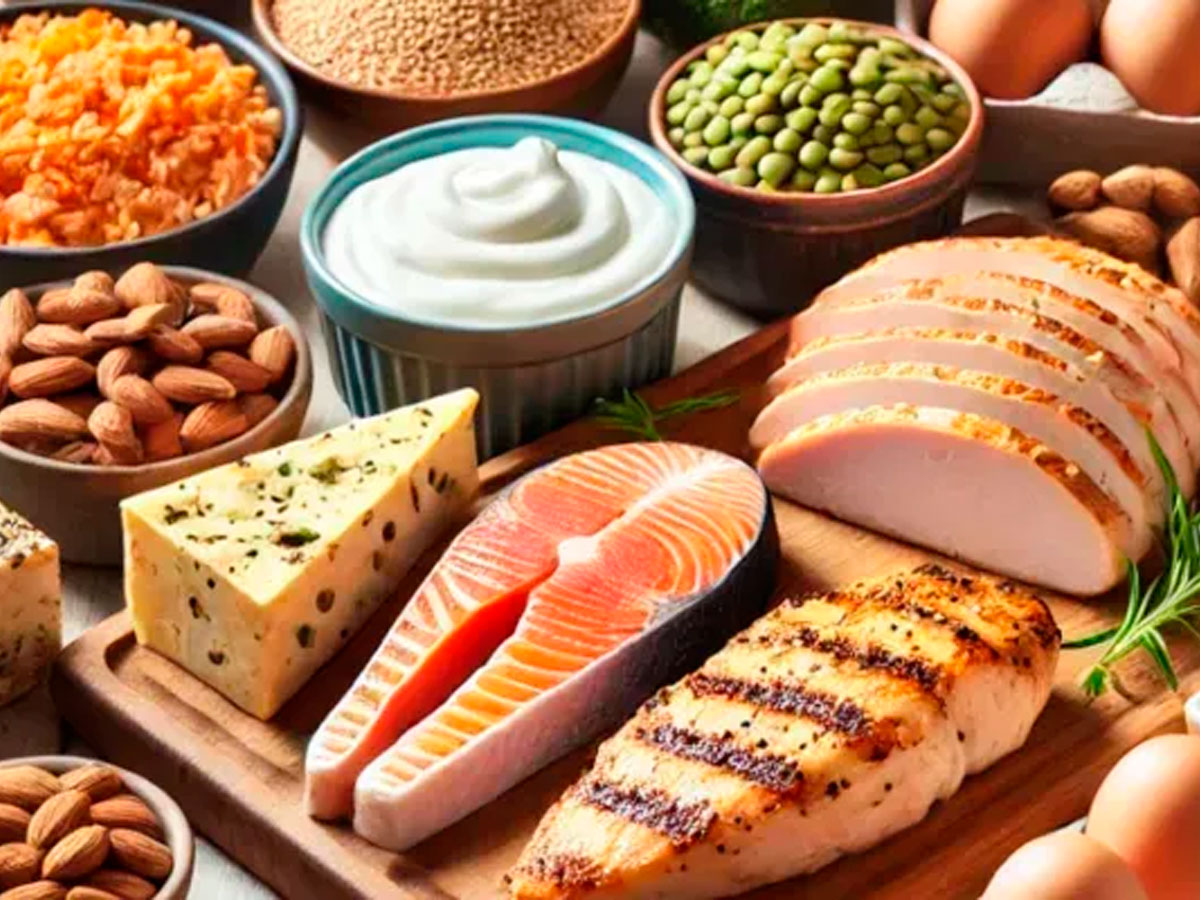
Do you want to shine with energy, grow strong muscles and maintain your health at its peak? The secret is simple: eat enough protein! This indispensable element is the building block of your body. It is needed for: Protein strengthens the immune system, helping you fight diseases. It protects you from infections and viruses. Protein foods keep you full for a long time, so you will eat less and not overeat. This will help you maintain a slim figure and feel cheerful. But where can you find this miraculous protein? It turns out that it is nearby! Foods rich in protein are divided into two groups: Animal products are considered complete sources of protein, as they contain all the essential amino acids needed by the body. Animal sources: Chicken breast: a champion among athletes, contains 31 grams of protein per 100 grams. Very good for preparing salads, soups, second courses. It is a dietary product, Easily absorbed by the body. Eggs: a versatile product, 6 grams of protein in 1 egg, plus vitamins and minerals. Ideal for breakfast, Can be used as an ingredient for many dishes, Rich in vitamins A, D, E, B12, folic acid, iron. Beef: Rich in protein (26 grams per 100 grams), B vitamins and iron. Source of easily digestible iron, Contains zinc, selenium, phosphorus, Improves the functioning of the cardiovascular system. Fish and dairy products: Superfoods for your health! Fish (salmon, tuna): Food for the mind: Rich in omega-3 and protein, it will energize your brain and improve memory. Strong immunity: With such fish, you will catch colds less often. Protection against diseases: Fish helps reduce the risk of developing certain diseases. Dairy products (yogurt, cheese): protein and calcium in each serving (10-15 grams). Essential for bone and tooth health, Improves digestive function, Is a source of probiotics. Plant sources: Quinoa: contains all essential amino acids, 8 grams of protein per 100 grams. Easily digestible, Gluten-free, Rich in fiber, iron, magnesium. Lentils: rich in fiber and protein (9 grams per 100 grams). Inexpensive and accessible, Quick to prepare, Contains B vitamins, potassium, phosphorus. Tofu: soy product, 8 grams of protein per 100 grams, versatile in cooking. Suitable for vegans and vegetarians, Is a source of isoflavones, Lowers cholesterol. Chickpeas: the basis of hummus, 19 grams of protein per 100 grams. Rich source of vegetable fiber, Contains B vitamins, manganese, magnesium, Good for the heart and blood vessels. Chia seeds: small but powerful, 17 grams of protein per 100 grams. Easy to add to food: you can put it in cereals, smoothies, yogurts, salads - anywhere! Rich in omega-3 fatty acids: which improve the function of the brain, heart and blood vessels. Calcium: for strong bones and teeth. Fiber: for good digestion. Nuts and seeds: not only protein, but also healthy fats, vitamins Almonds: 21 grams of protein per 100 grams, vitamin E and magnesium. Good for skin, hair and nails, Improves brain function, Reduces the risk of developing diabetes. Pumpkin seeds: protein and zinc, 19 grams per 100 grams. Strengthens the immune system, Positively affects men's health, Improves mood. Walnuts: 15 grams of protein per 100 grams, omega-3 fatty acids. Good for the heart and blood vessels, Improve memory and concentration, Lower cholesterol levels. Sunflower seeds: 20 grams of protein per 100 grams, vitamin E. Source of vitamin E, which is a powerful antioxidant, Improves skin condition, Slows down the aging process. Pistachios: 20 grams of protein per 100 grams, antioxidants. Good for vision, Lowers blood pressure, Improves the digestive system. Variety is our everything! Don't get hung up on one or two sources of protein. The more different protein foods you eat, the more benefits you will get. The main thing is not to be afraid to try new things! The more different foods you eat, the more benefits your body will receive. Don't be afraid to experiment! Add chicken to a quinoa and vegetable salad, replace yogurt in a smoothie with Greek yogurt, and berries with chia seeds. Make sandwiches with whole grain bread with avocado and salmon. Fantasize and have fun! This way you will not only provide yourself with all the necessary amino acids and vitamins, but also make each meal tasty and interesting. And what about snacks? For those who lead an active lifestyle, it is important to have protein snacks on hand that will help maintain energy levels and recovery after workouts. Here are some ideas: Protein bars: a quick protein boost on the go. Choose bars with natural ingredients and minimal sugar content. Greek yogurt with berries: protein + antioxidants, ideal after a workout. Greek yogurt contains more protein than regular yogurt, and berries will add sweetness and vitamins. Nut mixes: protein + healthy fats, convenient to take with you. Nuts are a filling and nutritious snack that will help satisfy hunger and boost energy levels. Protein Smoothie: A refreshing and nutritious protein boost. Add protein powder, spinach, banana and milk to a smoothie for a delicious and healthy
Photos
2026-02-02 16:07:36
0
242

Write a comment